How far would you bend what’s right to keep yourself alive?
When the Living Shadows, the imperial secret police, catch Surrie, a starving, third-class citizen, elbow-deep in the belly of a poached deer, she knows she has just two options:
Run, or hang from the maypole at dawn.
But Surrie only traded bad for worse. She didn’t mean to run straight into the civil war between the Linnean Empire and the ragtag rebellion fighting to bring food and medicine to the people, but she thinks nothing of using the rebels for protection from the Living Shadows. It’s not her war, after all.
At least, until she and the rebellion leaders discover that the Living Shadows misidentified and proclaimed Surrie as the daughter of a beloved folk hero with enough support to threaten the imperial status quo. Too valuable a figurehead for the righteous rebels to lose and too dangerous for the Living Shadows to let live, self-serving Surrie faces a choice: if she flees the rebellion that wants to use her, the Living Shadows will filet her alive, but if she stays, she’s beholden to kind-hearted rebels whose lofty ideals could get her killed.
Bewitched by the first friendships she’s forged in years, Surrie remains with the rebels, assuming the mantle of (fake) noble lady. But acting is not in Surrie's nature, and her prim-and-proper noblewoman routine devolves into a string of inelegant murders that only make her more critical to the war effort, the common people’s avenging angel. As her missions get harder – and more morally grey –rebel generals with the personalities of pit vipers make it clear: if she fails the rebellion — if she refuses a morally bankrupt assignment — they’ll martyr her, or worse, her loved ones. Worst of all, as the cinders of war burst into flame, Surrie marks enemy operating from within, scheming violence toward the people least deserving of it and twisting her understanding of everything – and everyone – she thought was right.
One mistake from martyrdom and two steps from capture by secret police, Surrie will have to trust dangerous allies, make allies of untrustworthy strangers, and befriend outsiders even stranger than she is to unravel the Living Shadows, outfox corrupt generals, and win the right to grow old with the people who brought color and meaning into her life. As the fighting intensifies and the lines between enemy and ally blur, Surrie’s actions will lead her to the festering heart of the Linnean Empire itself, and as selfish as Surrie is, as much as she yearns for a simple life with a quiet garden in the sun, there might just be people worth dying for.
WHILE I AM ALIVE is complete at 140,000 words and was designed to be the first of a series.
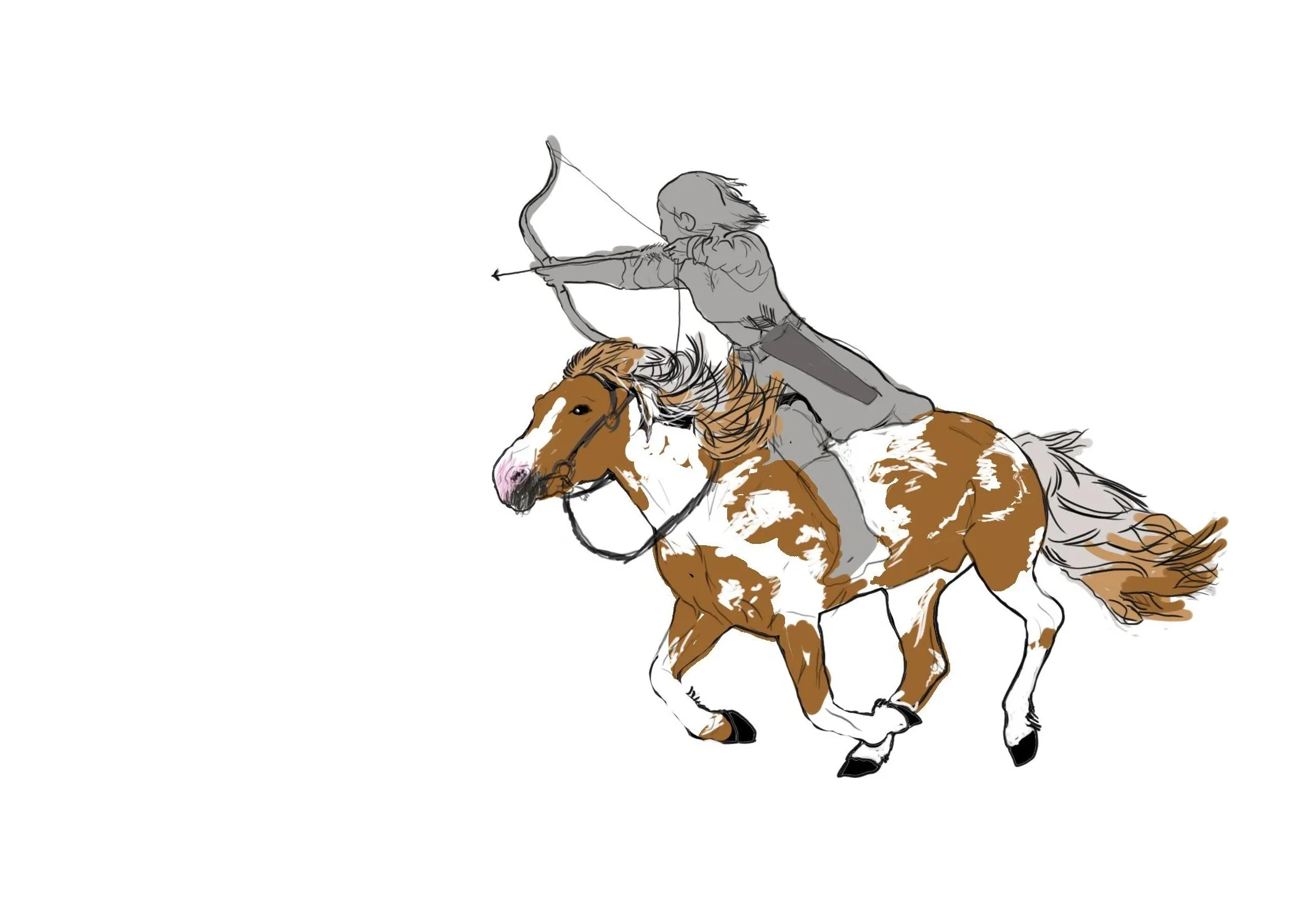
The grittiness and existential stakes of The Poppy War meets the tyranny and political machinations of Mistborn in the broken world of Breath of the Wild.
Other comparable titles include…
THE WILL OF THE MANY
by James Islington
SWORDCROSSED
by Freya Marske
PRIORY OF THE ORANGE TREE
by Samantha Shannon
GIDEON THE NINTH
by Tamsyn Muir
THE SUN AND THE VOID
by Gabriella Lacruz
SHE WHO BECAME THE SUN
by Shelly Parker-Chan

THE LEGEND OF VOX MACHINA (animation)
by Critical Role
PRINCESS MONONOKE (film)
by Miyazaki/Studio Ghibli
BLUE-EYE SAMURAI (animation)
by Jane Wu/Blue Spirit Studio
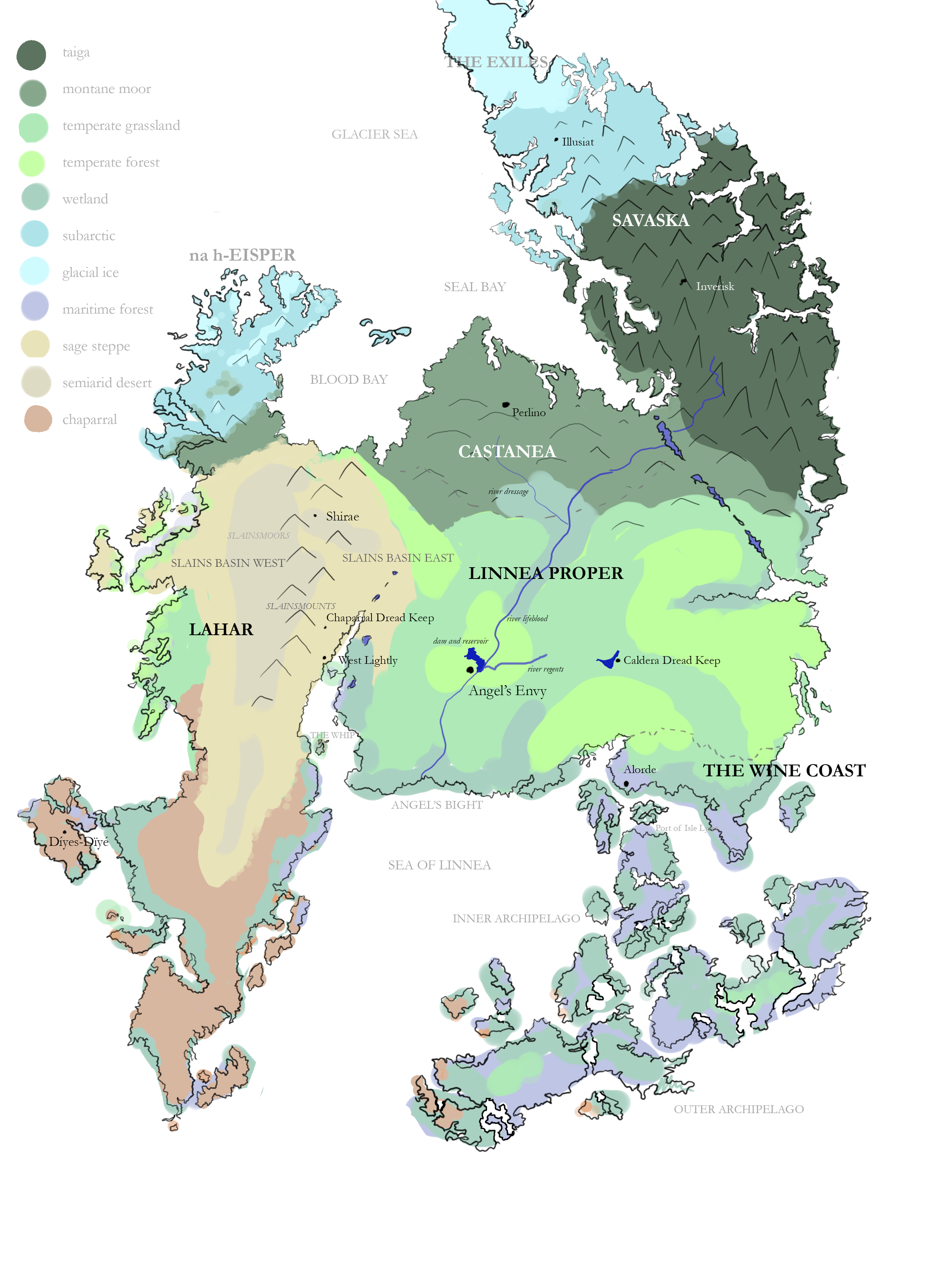
You know you love a map!
Readers should expect a lush, grounded secondary world flush with geopolitical systems, cultures, and histories, each region peopled by wily allies and adversaries.
Friends to
Lovers
Found Family
The Quest
Damsel in Un-
Distress
Secret Heir
(Subverted)
-
![Grey horse]()
Caroline. Unbelievable. I am not joking the last 100 pages had me in a fucking chokehold. I have literaly 1000000 things to say. The ending in insane and you have to write a second one.
S. F.
-
![]()
Dude your book is fire. I'm 100 pdf pages in and I'm hooked.
N. L.
-
![I was blindsided by [redacted] twist, I am SHOOK. I gasped. In hindsight it was perfect.]()
I was blindsided by [redacted] twist, I am SHOOK. I gasped. In hindsight it was perfect.
S. F.
-
![]()
BUT I JUST GOT TO THE PART WHERE HE CONFESSES THAT [redacted] AND NOW I HAVE TO REFRAME HIM ENTIRELY IN MY MIIIIINDSFDHSDKFDSHJFDASHJKDSFHD WHY IS THIS SO DAMN COMPELLING?
K. M.
-
![]()
Look, I'm not an all caps kinda person and you've had me regularly yelling in all caps about this book.
K. M.
![I was blindsided by [redacted] twist, I am SHOOK. I gasped. In hindsight it was perfect.](https://images.squarespace-cdn.com/content/v1/67eb3f2b83d156106e8d4926/1743548122662-85TV3AHA38N0KOAH19GL/unsplash-image-P8LZaU52NME.jpg)

Read the first five pages here!
WHILE I AM ALIVE
ACT I
ONE / THE POACHER’S PUNISHMENT
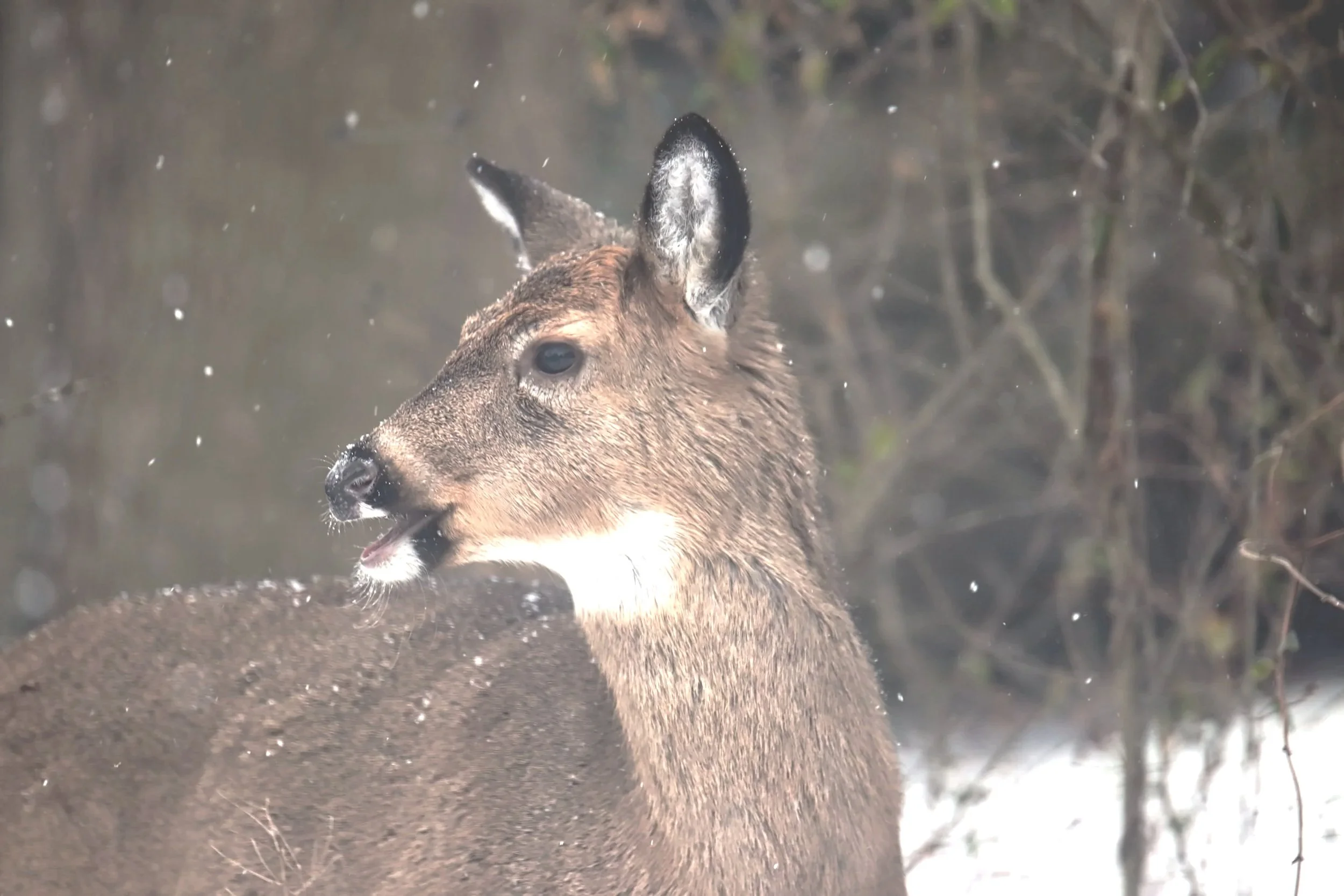
She was bound to die, that doe, venturing off on her own. With wonder and gratitude, Surrie of Inverisk wrested her arrow from the deer’s heart. By the spirit of the she-wolf, Surrie was going to live after all.
It was spring in the heights of Savaska. The creak of cracking ice boomed across the mountains, where Surrie was little more than a blur of red hair amid the evergreens. In the forest smothered in snow, the first hopeful patches of black soil had appeared. In her twenty years she had never become so thankful to see spring.
It shouldn’t have come to this. She should have spent the thaw curled up in her croft, warm and fed, whittling carved animals for the village children. She should have steeped tea for two—no, three—while the paint dried on buckskin canvases. But it had come to this, and the past fortnight had seen her eat little more than boiled bark and broth rendered from mouse bones.
Surrie pressed her forehead to the doe’s, curling her fingers behind the great soft ears, and kissed the fur between the dark eyes. This doe, this lovely, scrawny beauty, was the only deer Surrie had seen in three moon cycles. In better times she would have painted it, marveled at its wild grace, but today her arrow had skewered its heart like a needle through cloth.
She was a poacher, no way around it. Over the years Surrie had decided that laws were for people who didn’t scrape to scrounge one more mouthful and one more twig for the fire so they wouldn’t die starved and frozen in their sleep. Her lips, numb with cold, mouthed a prayer of thankfulness. As she cradled the doe’s forehead against her own, she prayed for its forgiveness, and thought she felt it granted.
In a blaze of winter silver, she unsheathed her faithful knife, slicing the deer’s belly open from breast to udder. Steam curled warm and pungent from the body, and Surrie leaned toward the warmth, basking in the promise of life. It was stupid, but over the furnace of the doe’s belly, it was hard not to dream, just a little bit, about the bows she could carve and the leather she could work with a larder comfortably stocked with grain and medicine. But she’d abandoned those dreams the day she learned to hate, so like every other time she caught herself fantasizing, she snapped back to reality. Dreams died, rats got into the pantry, and fires burned into chaff, but her blades never failed her.
A branch snapped.
Surrie’s eyes flashed. Panther? No—too loud. A bear, wakened by the spring sun? She shifted. A wayward panther she could run off, but a bear…
Then she marked it: the low hum of voices.
Human voices.
Oh, fuck.
Her stomach swooped like a bird of prey and the breath iced in her lungs. Surrie forced her body low and pulled the hood of her cloak over the red hair that stood out like a brushfire. Forcing herself to breathe evenly, she peered over the deer.
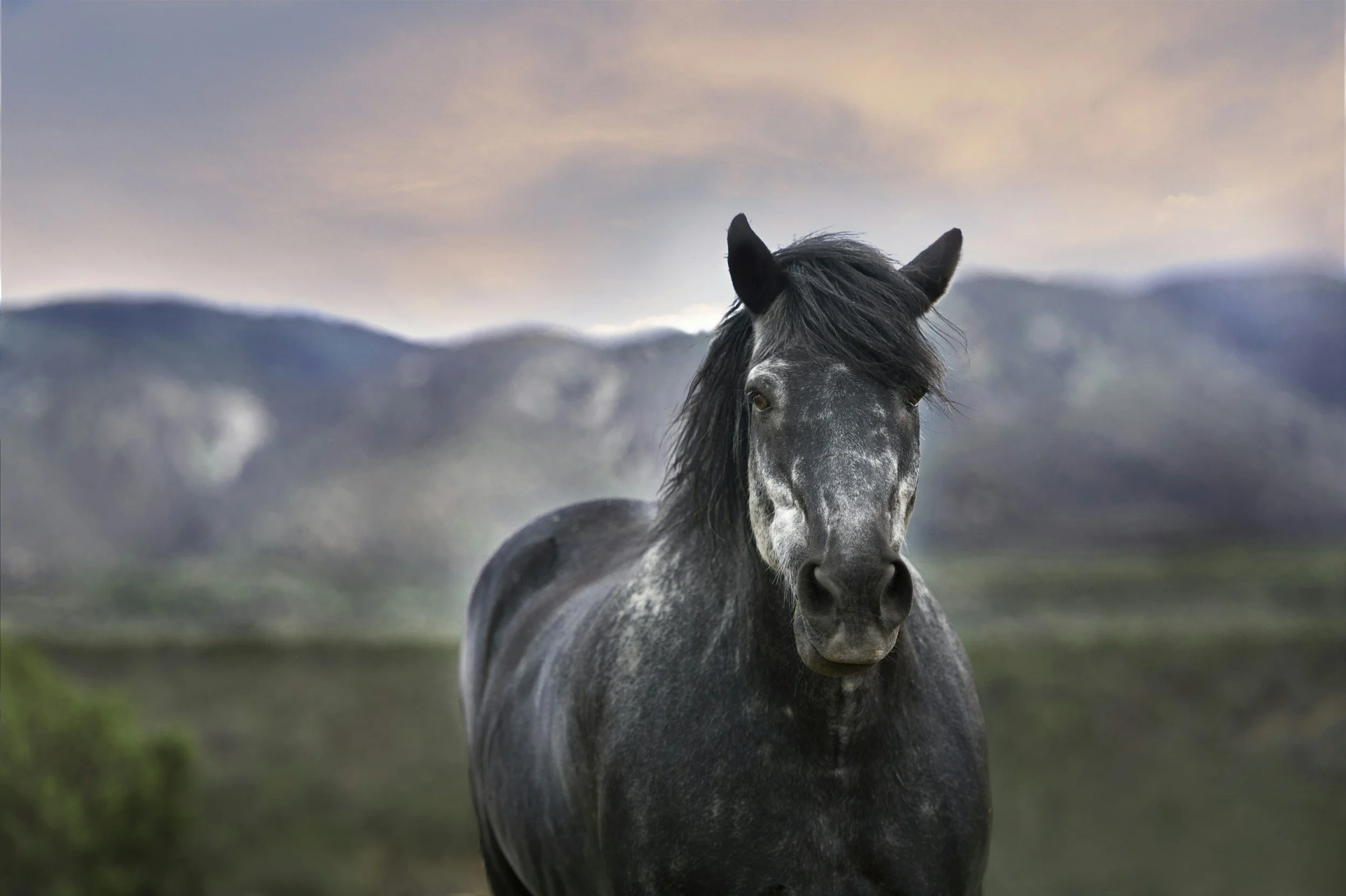
Some twenty-five horselengths off, half-hidden by the evergreens, two men rode grey horses down a trail. Through a break in the trees Surrie marked their cloaks, black as pooled ink and studded with cold silver like stars in winter midnight. An icy stone dropped into her stomach.
Living Shadows.
It couldn’t be. It was the eve of the full moon. The Living Shadows were supposed to be holed up in Inverisk, preparing to escort the harvest south. If they saw her here, now, with this poached doe…
When she was fifteen, they’d left her back blotched with bruises the size of paving stones after catching her with a poached fox. At sixteen, it had been ten lashes with the bullwhip. These four years later she still fancied she saw angry red weals raised parallel along her spine. Forget bears, forget even winter. Cruelty was a human specialty.
Surrie pressed herself into the hard snow and shivered, but not for cold. For one unimaginable second, her right hand twitched toward her bow, as if to load an arrow of its own accord. She balled that rebellious hand into a useless fist. Patience, she told herself. Patience.
Seconds stretched into eternity. Surrie watched with bated breath as the Living Shadows vanished into the woods. She breathed with dizzy relief. Safe. Until they made another pass.
With fresh urgency she hauled out the deer’s organs—the slippery liver, the lungs, the large, carmine heart—and rolled the hide off, spooling grey intestines onto the snow. With weather this cold the meat would keep overnight, so she could return the next morning to retrieve what she couldn’t carry today. But then, if there were any bears blinking awake from hibernation, they would be on the carcass by midnight.
Her hands slowed. Was it worth risking a bear?
She hadn’t feared it until recently. Full stomach aside, she missed her father’s burr of a voice and the wine-dark eyes that crinkled when he smiled. Sometimes when the wind lagged in the gully she hallucinated wiry dark hair snagged amid the lichens.
Rowan always said she was no good at letting go.
Surrie shook herself. She stowed her bow and quiver, bundled the deer meat into her hunting pack, and wiped her fingers clean on the snow. She knew the path home like she knew her own body. The broken bridge over the curve in the creek, the sundry boulders where copper snakes sunned themselves midmorning. The landmarks etched into the atlas of her mind guided her until the snow turned to rock at the surly cliffs that loomed over the village.
She paused on the ledge, drinking in the familiar sight. Inverisk in springtime was a watercolor come to life, a patchwork of crofts pitched across a lush oxbow valley midmelt. Banners emblazoned with bluebirds hung from shopfronts with steep, sloping roofs that siphoned off snow. Most of the villagers bustling through the muddy lanes below were redheaded like her, pinpricks of color as they trundled toward the butcher or baker or tanner.
But her heart jolted as she scanned the village for its familiar color and found it awash in silver and black. Living Shadows swarmed about the village like a mass of ants. She swallowed the bile rising in her throat. It was a fool’s errand to venture into that hive of Living Shadows with poached meat on her shoulder.
But that was fine. She knew more than one road to her destination.
The sun had nearly sunk by the time she slipped out of the woods and onto the steps of a timber trading post. A weather-beaten sign hung crooked on the door, and though Surrie had never learned to read, she knew what the sign read: Inverisk Trading Outpost.
She pushed the door open with one foot and welcomed the heat of the hearth washing over her bare face. The familiar room—the squeaking hinges, the musky furs, the third creaking floorboard—eased some of the malcontent she had been nursing since espying the Living Shadows. And there he was, at the back of the post, at his usual perch by that decrepit oak table. Brown-haired, brown-eyed Rowan.